 English
  Nepali
 Strengthening Schools in Karnali through School Improvement Plans
School Improvement Plans, known as SIPs, are an important tool for improving the quality of education at the local level in Nepal. A SIP helps schools plan in a systematic and realistic way. It guides schools to understand their needs, set priorities, and take action through a participatory process that involves teachers, parents, guardians, students, and the wider community.
A SIP also supports accountability and encourages inclusive school development at the local level. When communities take part in planning, they build ownership of the school’s progress, and the improvement becomes more sustainable.
TECSES support for SIPs in Karnali
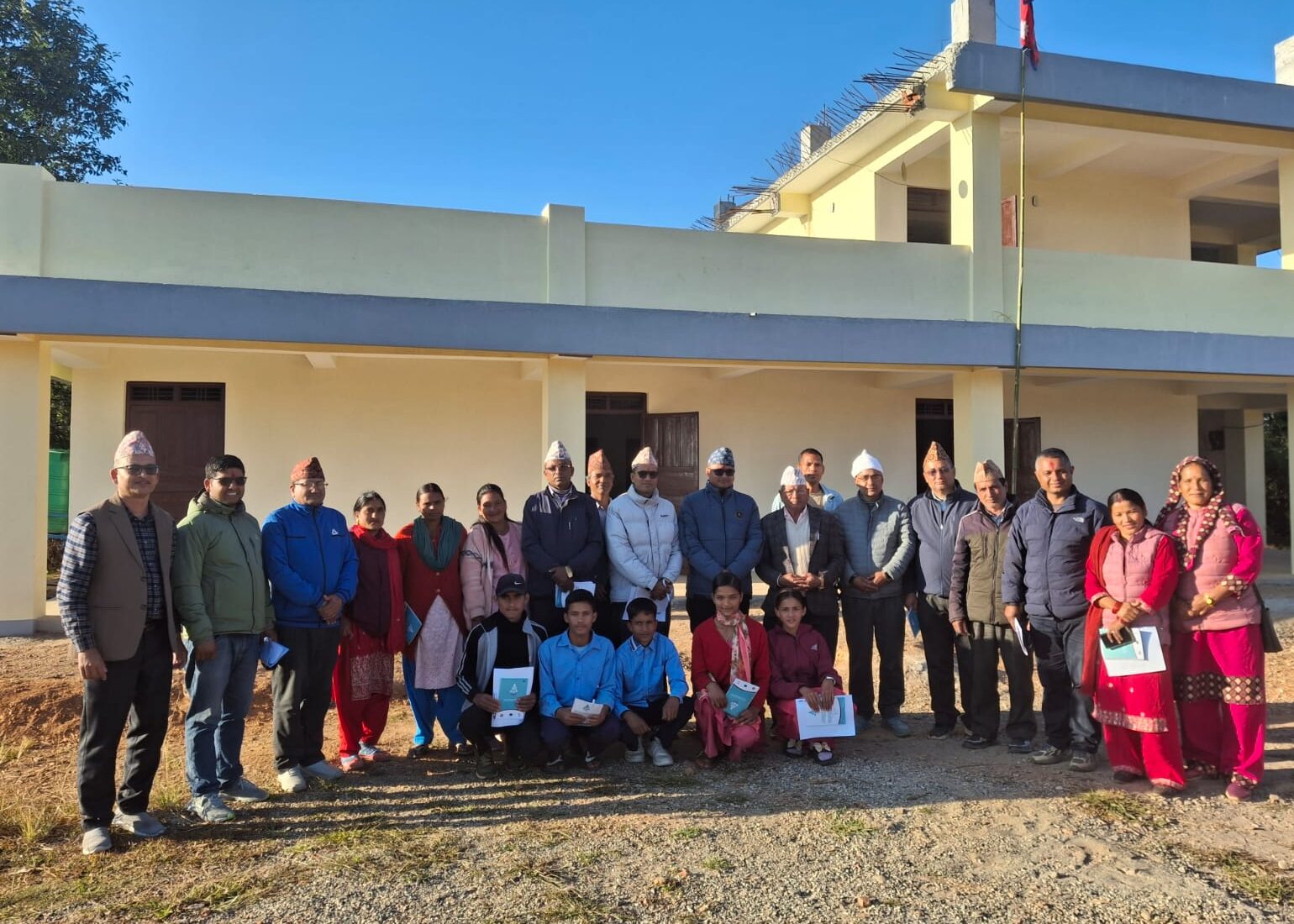
TECSES supports SIP processes across Karnali Province. So far, SIP workshops have been organised in 10 schools, including municipalities like Adanchuli, Musikot, Kanakasundari, Sharada and Dullu. These workshops help schools align their plans with government policies and strengthen the skills of everyone involved in school development.
Parents and guardians are key partners in this work. Nani Singh, a guardian at Sallaghari Secondary School in Humla, shared, “It helps students to do their best and helps parents like us, too.” A strong SIP shows the real situation of a school and provides a clear plan for improvement
Why SIPs matter for better schools?
SIPs help schools become stronger and more inclusive.
Headteacher Jivan Kumari Rawat from Shivjan Secondary School took part in a TECSES SIP training in Salyan municipality. She explained, “We have learnt many important things for education improvement, like how to conduct child friendly and inclusive teaching and learning activities, and how to carry out disaster risk reduction.”
Through SIP support, headteachers are encouraged to work closely with teachers, parents, and the wider community.
Improving attendance through SIPs
School attendance is essential because learning takes place in classrooms. When children are absent, they face a greater risk of poor learning outcomes.
Hem Bahadur, Chairperson of the Parent Teacher Association at Shree Tripura Secondary School in Rukum, shared, “Going forward, we teachers and parents all take initiation to improve the attendance of students.” SIPs help schools and local communities plan how to strengthen attendance and understand why children may be missing school.
TECSES has supported schools across Karnali to prepare and implement SIPs that address attendance and other key challenges. When children come to school regularly, they are able to gain the knowledge and skills they need and reach their full potential.
******
TECSES is a teacher education project in Nepal, supported by Finland and the European Union. We work to improve schools through teacher training and inclusion at the federal, provincial, and local levels of government, and Nepali universities.